A2SV Programs / Incubation
Incubation for products built by A2SV talent.
A2SV-trained engineers and alumni do not only prepare for interviews. They also build products for African markets, learning product discipline while working on real problems in health, education, food discovery, payments, AI access, and career opportunity.

From the Impact Report
What the incubator is for
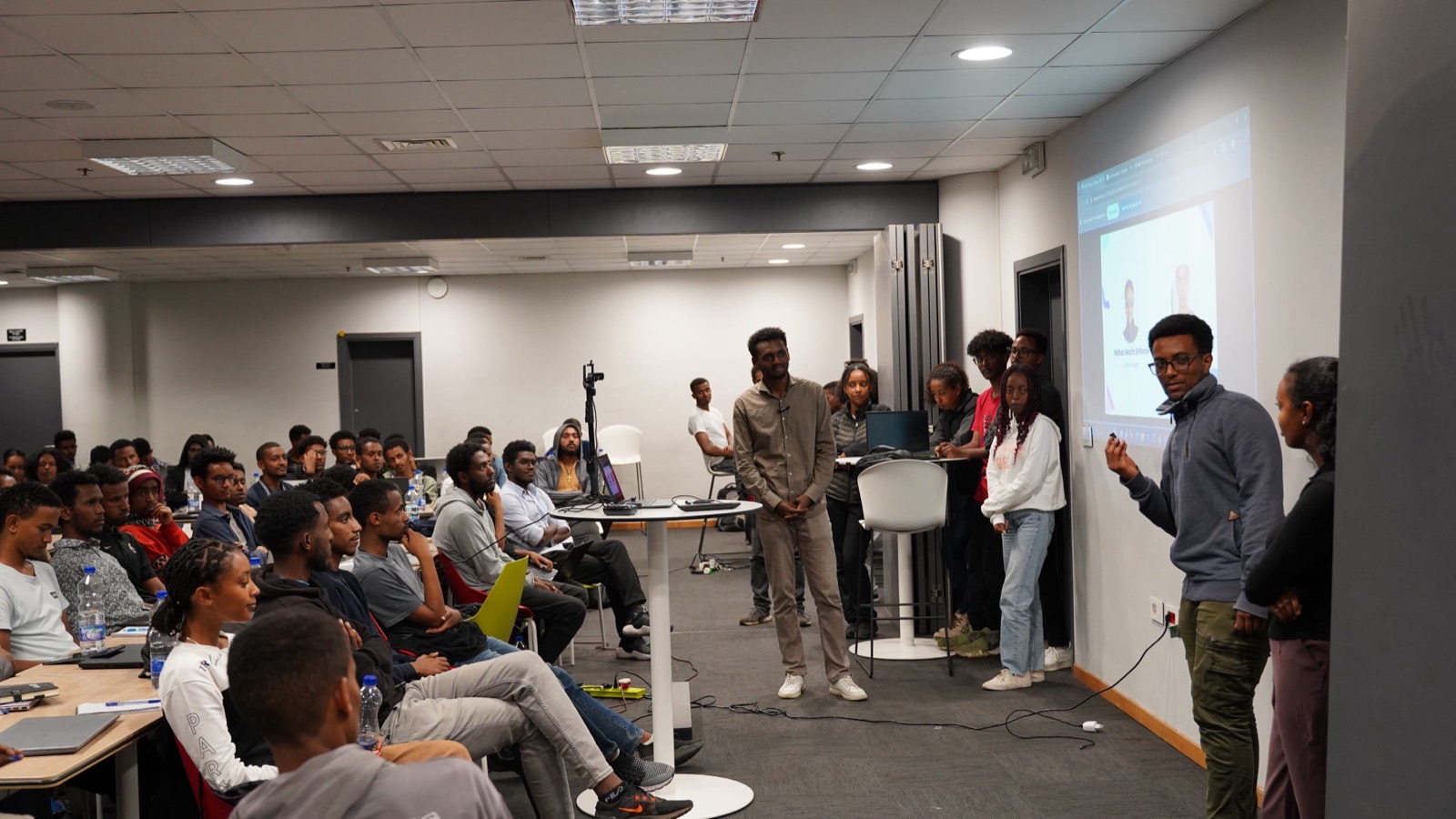
Incubation is where training becomes execution. Builders work on real products, learn from users, and practice the zero-to-one skills that do not come from coursework alone.
A2SV has incubated products across education, healthcare, payments, food discovery, AI access, and career opportunity.
Teams work through product decisions, engineering tradeoffs, user feedback, and launch constraints instead of stopping at classroom projects.
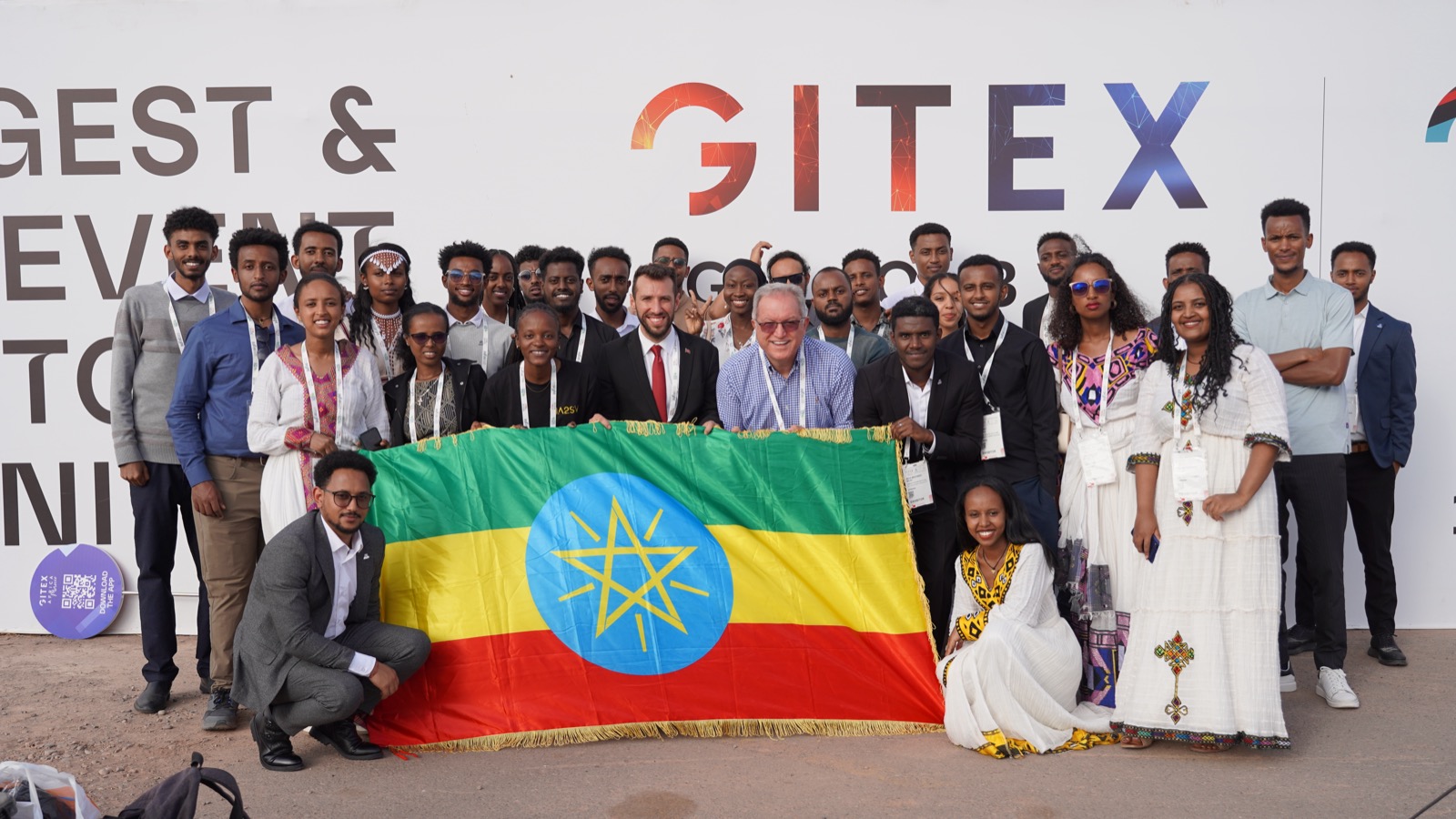
A2SV product teams have presented at major events such as GITEX Africa, where they received feedback from investors, operators, and policymakers.
Why incubation exists
A2SV builders need real product experience, not only interview prep
A2SV's education model produces strong engineers, but the long-term goal is bigger than placing students into interviews. The incubator gives trained engineers and alumni a place to practice product thinking, user discovery, engineering ownership, and launch discipline.
This is where technical training becomes applied work. Teams take real problems, turn them into product concepts, build working interfaces and systems, collect feedback, and learn what it takes to move from idea to usable product.
- Builders practice engineering, design, product management, and launch thinking together
- Products focus on real African market needs rather than abstract demo ideas
- Alumni and advanced builders keep contributing after formal training
Market exposure
GITEX gave product teams feedback from outside the classroom
In 2024, A2SV took a 40-member delegation to GITEX Africa in Marrakech. Product teams ran live demos, tested messaging, received direct feedback, and built relationships with people who could become users, partners, investors, or public-sector supporters.
That kind of exposure matters because it forces teams to explain their product clearly and respond to real questions. It also gives A2SV a direct signal about which products are understandable, useful, and ready for deeper support.
- A2SV showcased multiple incubator products at dedicated booths
- Teams received feedback from investors, operators, policymakers, and other builders
- The experience helped teams sharpen product positioning and market readiness
Incubation model
Training becomes useful when builders ship
Product discipline
From idea to working product
Teams move from a problem statement to an interface, backend, user feedback, and launch plan.
Market exposure
Feedback outside the classroom
At GITEX Africa, A2SV product teams ran dedicated booths and heard directly from people who could use, fund, or partner with the products.
Product ownership
Builders learn to explain what they built
Incubation forces teams to show a product clearly: what problem it solves, who it helps, how it works, and what has to improve next.
Product portfolio
The portfolio spans health, education, payments, food, AI, and opportunity
A2SV has incubated products such as Akil, DIME, HakimHub, RateEat, SkillBridge, AfroChat, and Eskalate. Together, they show the range of problems A2SV builders are learning to solve: AI access, education, healthcare, payments, food discovery, and opportunity marketplaces. The point is not only that products exist; it is that builders learn through the full cycle of defining a problem, shipping a usable experience, facing market constraints, talking to users, and improving from feedback.

Career access
Akil connects youth with opportunity
AI-assisted matching helps young professionals find jobs, internships, and volunteering roles while helping organizations publish opportunities and review candidates faster. The Eskalate catalog cites 80+ registered organizations, 4,000+ opportunity seekers, and 200+ successful matches.
Open product ->
Food discovery
RateEat helps people choose the food
Dish-level discovery, menu data, reviews, and recommendations help people decide what to order, not only which restaurant to visit. The Eskalate catalog points to 8,000+ dishes, 500+ diners, and 400+ restaurants listed.
Open product ->
AI access
AfroChat brings AI assistance into African contexts
AfroChat is built around everyday problem solving, local usefulness, and practical AI access through African legends, country guides, cultural ambassadors, and expert personas across multiple languages.
Open product ->
Payments
DIME makes card payments easier
DIME focuses on helping African businesses and local customers accept and use card payments, starting from Rwanda. It gives the incubator a fintech surface where builders practice trust, transaction UX, and operational clarity.
Open product ->
Education
SkillBridge supports entrance readiness
SkillBridge helps middle and high school learners prepare for entrance exams with AI tutoring, past papers, personalized plans, and contests. The Eskalate catalog cites 2,700+ students, 12,000+ topics, and 75,000+ questions solved.
Open product ->
Maternal health
Adot supports maternity care
Adot supports the motherhood journey with knowledge, connection, and care through personalized guidance, vitals tracking, doctor chat, reminders, and community support.
Open product ->Next step
Support the people building practical technology for Africa.
Donations help keep the A2SV pipeline free while giving builders the mentorship, infrastructure, and room to turn strong ideas into useful products.